
What Business Leaders Need to Know About Network Segmentation
Network Segmentation: A Critical Strategy for Modern Business Security
Cyber threats continue to evolve at an alarming rate. Data breaches can disrupt operations, damage reputations, and create significant financial losses. For business leaders, protecting critical systems and sensitive information has never been more important.
Network segmentation is one of the most effective ways to strengthen cybersecurity while improving network performance and simplifying management. As part of a wider IT infrastructure management strategy, network segmentation helps organisations reduce risk, maintain compliance, and build a more resilient IT environment.
In this guide, we’ll explore what network segmentation is, why it matters, and how businesses can implement it successfully.
What Is Network Segmentation?
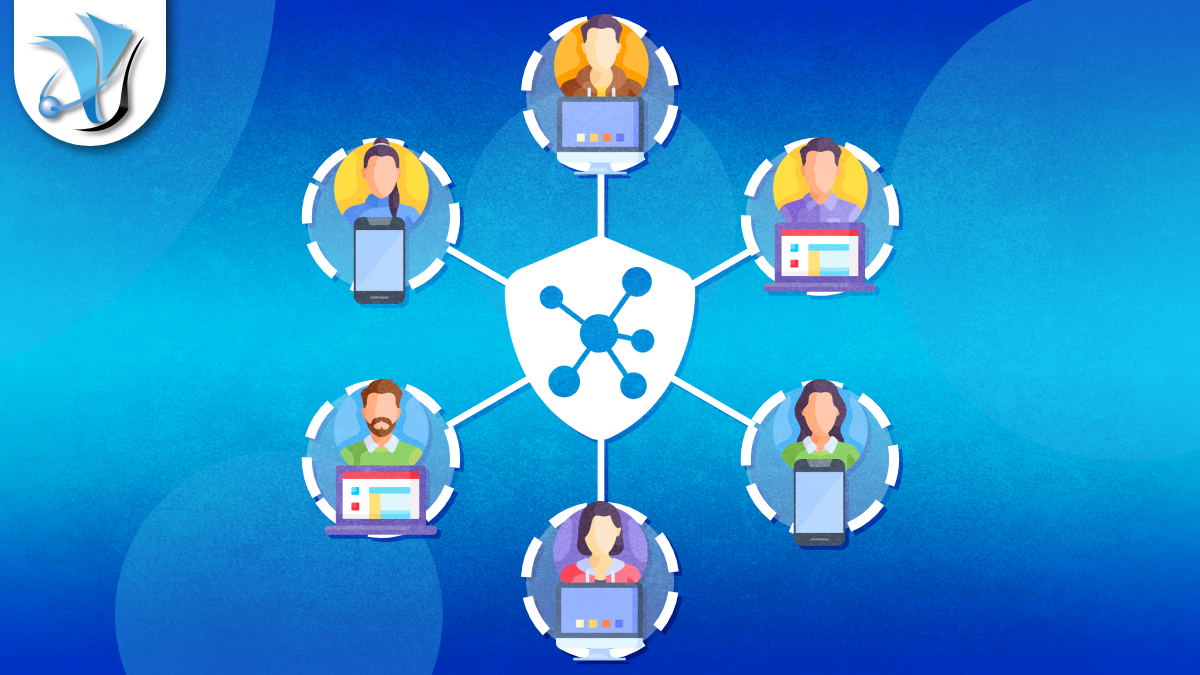
Network segmentation is the process of dividing a computer network into smaller, separate sections or segments. Each segment can be assigned its own security policies, user permissions, and performance controls.
For example, a business might separate its finance department, marketing team, and guest Wi-Fi network into different segments. This ensures that sensitive financial information remains accessible only to authorised users while reducing the risk of unauthorised access.
If a security incident occurs in one segment, the impact can often be contained, preventing attackers from moving freely throughout the entire network.
Why Network Segmentation Matters for Business Leaders
Business leaders need to view network segmentation as more than just a technical exercise. It plays a direct role in protecting business operations and supporting long-term growth.
Enhanced Security
By isolating critical systems and sensitive information, organisations can significantly reduce their attack surface. Restricting access between departments and systems helps limit opportunities for cybercriminals to access valuable data. Combined with professional IT support and maintenance services, segmentation forms a strong security foundation.
Improved Network Performance
Segmentation allows network traffic to be managed more effectively. Different types of traffic can be prioritised to ensure critical business applications receive the bandwidth they need.
For example, video conferencing and cloud applications can operate smoothly without being affected by other network activities.
Easier Regulatory Compliance
Many industries are subject to strict data protection and cybersecurity requirements. Network segmentation helps organisations implement targeted security controls for sensitive information, making compliance easier to achieve and maintain.
Key Benefits of Network Segmentation
1. Enhanced Security
The primary benefit of network segmentation is stronger security. By creating barriers between systems, businesses establish multiple layers of protection.
If an attacker compromises one segment of the network, additional controls can prevent them from reaching other critical systems. This significantly reduces the likelihood of widespread damage.
2. Improved Network Performance
Separating network traffic helps reduce congestion and improves overall efficiency.
Businesses can prioritise critical services and applications, ensuring employees experience consistent performance even during periods of high network activity.
3. Simplified Management
Segmented networks are often easier to manage and troubleshoot.
IT teams can quickly identify issues within specific areas of the network rather than investigating the entire infrastructure. This improves resolution times and reduces operational disruption.
4. Better Regulatory Compliance
Organisations operating in sectors such as finance, healthcare, and legal services often face stringent compliance requirements.
Network segmentation makes it easier to apply tailored security measures to sensitive data, demonstrating a clear commitment to data protection and regulatory standards.
5. Cost Efficiency
Although implementing segmentation requires planning and investment, it can deliver substantial long-term savings.
Reduced downtime, improved performance, and a lower risk of costly security incidents all contribute to a stronger return on investment.
How to Implement Network Segmentation
-
Assess Your Current Network
Begin by reviewing your existing network architecture.
Identify critical systems, sensitive data, business applications, and user groups. Understanding how your network currently operates will help you determine the most effective segmentation strategy.
-
Define Network Segments
Create logical segments based on business functions, security requirements, and operational needs.
Common segmentation examples include:
- Finance departments
- Human resources
- Sales and marketing teams
- Production systems
- Guest networks
- Remote users
Each segment should have a clearly defined purpose and security framework.
-
Establish Security Policies
Once segments have been created, define access permissions and security controls for each one.
Role-based access controls help ensure users only have access to the systems and information required for their job functions.
-
Implement Firewalls and Access Controls
Firewalls play a crucial role in network segmentation by controlling traffic between segments.
Combined with access controls and user authentication, firewalls help prevent unauthorised access while maintaining secure communication between network zones.
-
Monitor and Audit Network Activity
Effective segmentation requires ongoing monitoring.
Regular audits, traffic analysis, and security reviews help identify unusual activity, verify policy compliance, and ensure the network remains secure as business needs evolve.
-
Educate Employees
Technology alone is not enough.
Employees should understand how segmented environments work and why security procedures matter. Regular cybersecurity training helps build a culture of awareness and reduces the risk of human error.
Common Challenges of Network Segmentation
While network segmentation offers significant advantages, businesses may face several challenges during implementation.
One common issue is increased complexity. Managing multiple segments requires careful planning, documentation, and monitoring to ensure systems remain connected where necessary.
Organisations may also experience temporary operational disruptions during deployment. To minimise downtime, businesses should develop a structured implementation plan and work alongside experienced providers of business IT support.
The Future of Network Segmentation
As cyber threats become increasingly sophisticated, network segmentation is rapidly becoming a business necessity rather than an optional security enhancement.
Organisations that implement effective segmentation benefit from:
- Stronger cybersecurity
- Improved network performance
- Simplified compliance management
- Better operational resilience
- Reduced business risk
By proactively segmenting their networks, businesses can create a more secure and efficient environment while protecting the systems that support daily operations.
When combined with strategic IT infrastructure management, network segmentation provides a solid platform for future growth and digital transformation.
Partner with SystemForce IT
At SystemForce IT, we understand the challenges businesses face when securing and managing modern networks. Our team delivers tailored network segmentation solutions designed to strengthen security, improve performance, and support business growth.
Whether you’re reviewing your current infrastructure or planning a complete network redesign, we can help you create a secure, scalable, and compliant environment through our comprehensive managed IT and infrastructure services.
Contact SystemForce IT today for a professional network security assessment and discover how strategic network segmentation can help protect your business, improve performance, and provide greater peace of mind.
Visit our website to learn more about our managed IT services, infrastructure solutions, and business technology expertise.
Stay one step ahead of the threats
Get our free weekly IT and cyber security briefing for UK businesses. The same threat and policy round-up we send our own clients, straight to your inbox. No spam, unsubscribe any time.
Get the free weekly briefing →Table of Contents
Would you like to know how we can help?
Get in touch